


A quarter of those affected by the flood in Chechnya received compensation.
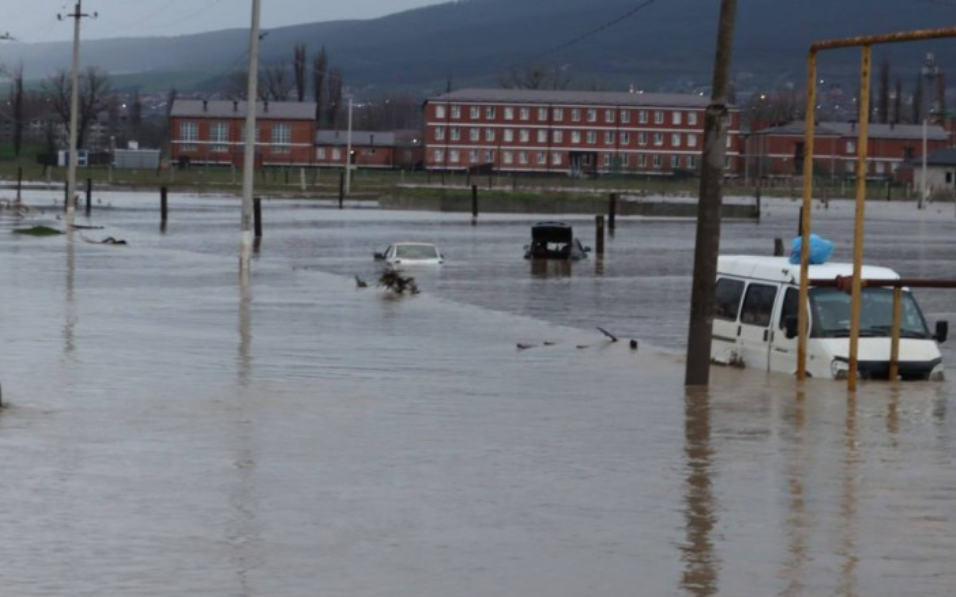
Three months after the flood, 8,600 people in Chechnya received payments, which is 25.22% of the total number of applications submitted.
As reported by "Caucasian Knot", by April 27, the authorities of Chechnya had received from the residents of the republic more than 29,000 applications for compensation for flood damage. On June 28, the Russian government allocated from the reserve fund 385 million rubles to compensate for the costs of Dagestan and Chechnya in assisting those affected by the spring flood.
"Caucasian Knot" has prepared a detailed memo that will help understand who is entitled to payments, what amounts are provided, what documents are needed, and how to act if some papers are missing.
Payments after the flood have already been received by 8,600 people, with 95% of the submitted applications reviewed, and work on the remaining requests continues, reported the head of the Chechen government Magomed Daudov on his Telegram channel.
As a result of the floods, 44 educational facilities were affected, including 36 schools, 6 kindergartens, one vocational education organization, and one additional education facility, Daudov reported, noting that a recovery plan has been approved and preparations for competitions to start the work are underway. "Their completion is scheduled for the end of this year without disrupting the educational process," Daudov assured.
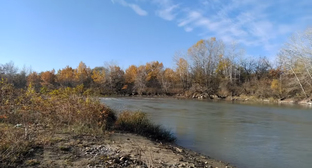
He also noted that inspections of the riverbank area of the Sunzha, where there is a threat of further erosion and risks to residential buildings, energy infrastructure facilities, and adjacent territories, are ongoing.
On June 3, the head of Chechnya, Ramzan Kadyrov, reported in his Telegram channel that after the flood, "34,095 applications for a one-time payment and financial support due to property loss have been submitted."
Thus, 25.22% of applicants received payments, calculated "Caucasian Knot".
The floods caused by heavy rains began in the North Caucasus at the end of March and became one of the most destructive in recent years. Dagestan and Chechnya were the most affected by the elements, according to the report of "Caucasian Knot" "Spring Flood in the North Caucasus-2026". Materials on flooding in the republics of the North Caucasus Federal District in the spring of 2026 have been collected by "Caucasian Knot" on the thematic page "Flooding in the North Caucasus".
We have updated the applications on Android and IOS! We would appreciate feedback, ideas for development both in Google Play/App Store and on the pages of the Caucasian Knot in social networks. Without installing a VPN, you can read us on Telegram (in Dagestan, Chechnya, and Ingushetia – with VPN). Through VPN, you can continue to read "Caucasian Knot" on the website, as usual, and on social networks Facebook*, Instagram*, "VKontakte", "Odnoklassniki" and X. You can watch videos from "Caucasian Knot" on YouTube.
* the activities of the Meta company (which owns Facebook, Instagram, and WhatsApp) are banned in Russia.
Translated automatically via OpenAI from https://www.kavkaz-uzel.eu/articles/424688





![Tumso Abdurakhmanov. Screenshot from video posted by Abu-Saddam Shishani [LIVE] http://www.youtube.com/watch?v=mIR3s7AB0Uw](/system/uploads/article_image/image/0001/18460/main_image_Tumso.jpg "Tumso Abdurakhmanov. Screenshot from video posted by Abu-Saddam Shishani [LIVE] http://www.youtube.com/watch?v=mIR3s7AB0Uw")