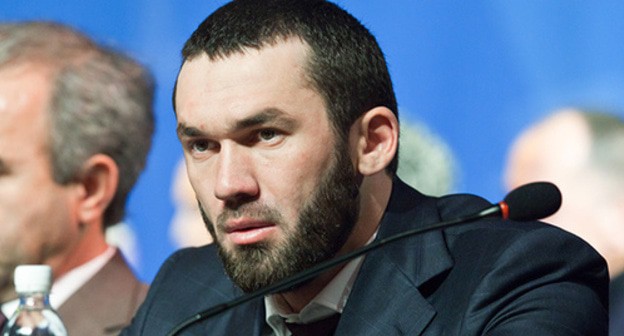

Kokov's report on the salary increase for budget workers has caused skepticism among the residents of Kabardino-Balkaria.
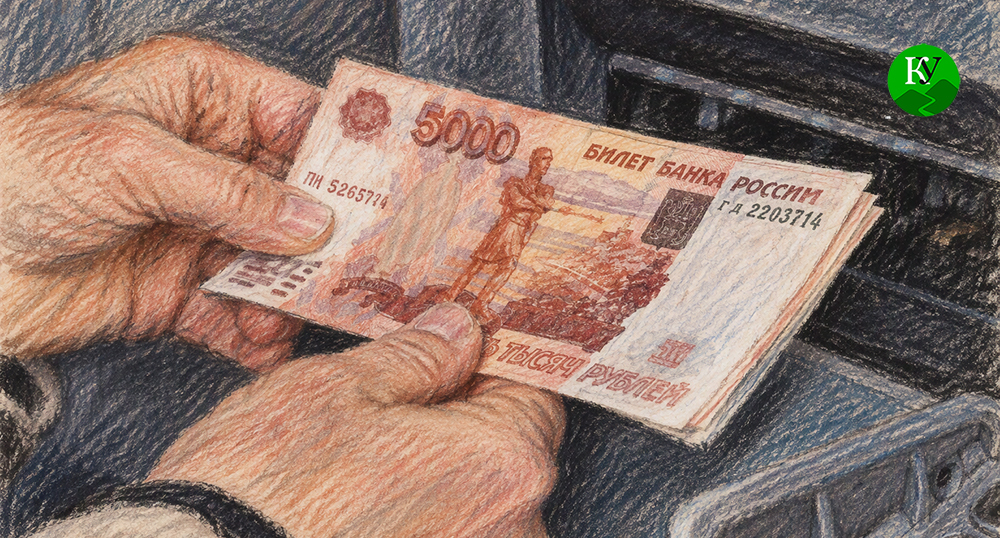
For the sixth consecutive year, salaries for budget workers in Kabardino-Balkaria are being increased by 10%, resulting in the wage fund doubling, reported the head of the republic, Kazbek Kokov. Local budget workers, commenting on his report on social media, shared that some had their September increase removed as early as October, while others did not notice any raise at all. They also pointed out the rising prices of food, medicine, and utilities.
According to the head of Kabardino-Balkaria Kazbek Kokov, salaries in the budget sector of the republic have been increased by 10% for six consecutive years. The wage fund has approximately doubled – from 15.6 billion rubles in 2021 to 32 billion rubles this year.
"This year, the fund's growth is 3.2 billion rubles. The level of wages has increased for 40,000 employees of budget organizations," Kokov wrote on October 22 in his Telegram channel.
This report by Kokov on the salary increase for budget workers was also published on November 2 by the Instagram*-public _07_kbr. As of 11:00 Moscow time on November 4, this post in the public, which has about 221,000 subscribers, received 80 likes and 34 comments.
Residents of Kabardino-Balkaria commented that the increase lasted only a month. "Last month they added a little, this month they took it away, and this is what you call a raise?" wrote aksana.tamazova.
"It's so interesting how they raise salaries that it's laughable. They raised it at the beginning of September, and in October – they lowered it. Thanks for such a salary increase," emphasized khokonovazera.
"They raised it in September, lowered it in October, thanks," pointed out zukhura63.
Other commentators reported that the announced increase did not reflect in their payments. "For the last two years, they haven't raised it, even though they announced in all media that they would," wrote matilda_lando_001.
"And we didn't have it either," lyuda.kank replied to her.
User mera_n28 provided an example of a salary of 17,000 rubles, where a 10% increase amounts to 1,700 rubles. According to her, when the salary is raised, they reduce the supplement to the minimum wage (MW). "In the end, they take away what they added to make it equal to the MW, and it turns out that nothing has increased," she wrote.
Some participants in the discussion compared the salary increases with the rise in everyday expenses. le_ra3833 noted that food and utility prices have risen over the past six months.
"Salary 10%, utilities 100%," wrote kaplanshogenov.
"When will you talk about how much and how fast prices for food, medications, utilities, gasoline, etc. are rising?" asked molecula_gold.
"Caucasian Knot" also reported that residents of Kabardino-Balkaria have previously questioned the official data on salaries. For instance, on October 19, they doubted the average salary of 55,000 rubles stated by Kokov and reported that they earn significantly less. On September 26, residents of the republic, discussing the announced increase in the MW on social media, complained about salaries below the current minimum and pointed out that rising prices and tariffs could negate the increase.
Translated automatically via OpenAI from https://www.kavkaz-uzel.eu/articles/428055