

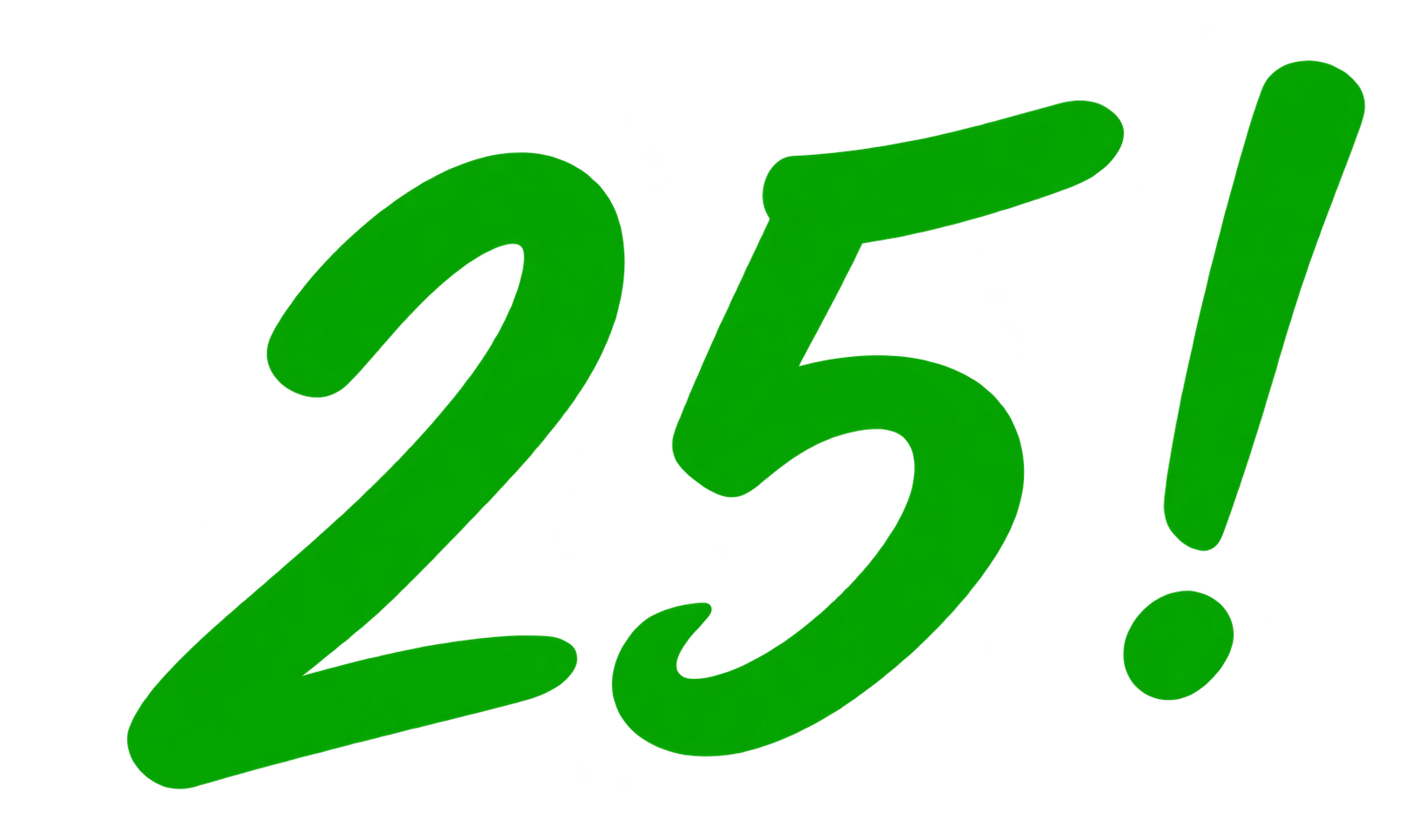
The plaque on Politkovskaya's house was destroyed less than a day after it was restored.
Unknown individuals destroyed a temporary plaque installed last night on the railing of the building where Novaya Gazeta journalist Anna Politkovskaya lived and was murdered.
As reported by the "Caucasian Knot," on January 18, a memorial plaque, which had hung for nearly 20 years on the wall of the building on Lesnaya Street in Moscow where Novaya Gazeta columnist Anna Politkovskaya lived and was shot, was destroyed for the first time. Most of the temporary plaques installed by activists after that lasted less than 24 hours. By February 26, 24 plaques had been destroyed, including 23 temporary ones. By the morning of February 28, the 25th temporary plaque had been installed.
Most of the plaques restored by activists repeat the original text from the broken memorial plaque: "Anna Politkovskaya lived in this house and was vilely murdered on October 7, 2006." Some plaques implicated neo-Nazis in the destruction of the memorial plaques. Representatives of a far-right organization designated as terrorist claimed responsibility for the destruction of the first plaque. The man who smashed a memorial plaque was fined 1,000 rubles, though he denied any wrongdoing, claiming the plaque "fell and broke on its own."
A temporary plaque in memory of Anna Politkovskaya has been destroyed again. Vandals have damaged the memorial plaque to murdered journalist Anna Politkovskaya on Lesnaya Street in Moscow once again, but this time they only managed to remove the text, while the base remains attached to the railing near the entrance, SotaVision* reported today.
The publication is illustrated with a photograph showing that the metal base remains attached to the railing.
In January, one of the building's residents admitted to destroying the temporary plaque. "Yes, I'm breaking it! And who gave you permission to hang it? She didn't live here, she had a safe house! This is my home! I didn't give permission!" she said. The woman noted that she hadn't broken the original memorial plaque, but that the plaque had "always been in her way."

As a reminder, Anna Politkovskaya, known for her articles on the war and human rights violations in Chechnya, was murdered in Moscow on October 7, 2006. The court found that Lom-Ali Gaitukayev had organized the murder, and he was sentenced to life imprisonment. Rustam Makhmudov has been identified as the direct perpetrator, according to the "Caucasian Knot" report "The Murder of Anna Politkovskaya".
In 2025, on the 19th anniversary of Anna Politkovskaya's murder, residents of Moscow and St. Petersburg brought flowers to her grave, the Novaya Gazeta office, and the memorial to the victims of repression. Some of those convicted in the case of her murder have already been released, but the person who ordered it has not yet been convicted, Politkovskaya's colleagues recalled.
On the fifth anniversary of Politkovskaya's murder, journalists and human rights activists at a rally in Tbilisi highlighted her contribution to the fight for freedom of speech, demanding that those who ordered her murder be identified.
"Caucasian Knot" publishes materials dedicated to Politkovskaya on the thematic page "Politkovskaya and Estemirova", which also contains materials about Anna's friend, the journalist and human rights activist Natalia Estemirova, who was killed in 2009 and also worked on issues affecting Chechen residents.
We've updated our apps for Android and iOS! We welcome criticism and development ideas both on Google Play/App Store and on KU's social media pages. You can follow us on Telegram without a VPN (with a VPN in Dagestan, Chechnya, and Ingushetia). Using a VPN, you can continue reading "Caucasian Knot" on the website as usual, and on social networks: Facebook**, Instagram**, "VKontakte", "Odnoklassniki" and X. You can watch the "Caucasian Knot" video on YouTube. Send messages to +49 157 72317856 on WhatsApp**, to the same number on Telegram, or write to @Caucasian_Knot.
* are listed as foreign agents.
** Meta (owner of Facebook, Instagram, and WhatsApp) is banned in Russia.
Translated automatically via OpenAI from https://www.kavkaz-uzel.eu/articles/421206
![Tumso Abdurakhmanov. Screenshot from video posted by Abu-Saddam Shishani [LIVE] http://www.youtube.com/watch?v=mIR3s7AB0Uw](/system/uploads/article_image/image/0001/18460/main_image_Tumso.jpg "Tumso Abdurakhmanov. Screenshot from video posted by Abu-Saddam Shishani [LIVE] http://www.youtube.com/watch?v=mIR3s7AB0Uw")