

Protesters in Georgia faced massive account freezes.
For the 435th consecutive evening, Georgian citizens protested outside the parliament building on Rustaveli Avenue, demanding the release of political prisoners and the repeal of repressive laws. Dozens of protesters received notices today that their bank accounts had been frozen due to unpaid fines.
As reported by the "Caucasian Knot," on February 4, the 434th day of continuous protests, protesters on Rustaveli Avenue in Tbilisi demanded new elections, the release of political prisoners, and the repeal of education reform.
Supporters of Georgia's European integration gathered outside the parliament building on Rustaveli Avenue today for the 435th consecutive evening. The activists brought with them flags of Georgia, the European Union, and the United States, as well as homemade posters, according to a post by photographer Mo Se on Facebook*.
Protesters carried signs reading, among other things, "If you don't interfere in politics, politics will interfere in your life," "Reminder to the regime: repression will affect you too," and "Don't ask 'What's the point?', ask 'What can I do?'"
Since the morning of February 5, protesters in Georgia have faced account freezes due to fines issued to them for blocking roads back in 2025. At least 20 activists reported the freezes on social media. According to those fined, the Ministry of Internal Affairs failed to inform them of the administrative proceedings and they were unaware of the existence of these fines until they received notifications from their banks that the National Bureau of Enforcement had demanded that their accounts be frozen for non-payment, according to Novosti-Gruzia.
By law, police are required to notify citizens of a fine issued to them—at a minimum Try twice to hand over the protocol in person, or contact the person and offer to send them the protocol by mail. Furthermore, the Ministry of Internal Affairs is obligated to send SMS notifications to fined individuals in a timely manner so that citizens can appeal the fine within 30 days. According to lawyer Nika Simonishvili, the police do not notify participants in anti-government protests about fines, but immediately transfer their cases to the enforcement agency, which initiates the seizure of their bank accounts.
Protest participant Darezhan Tskhvitaria, who has been living in a tent near the parliament building since February 17, 2025, was attacked by unknown individuals. According to the activist, she received threatening messages, and in the past two days, several aggressive people came to her tent, smashed the donation box, and insulted her.
“It happened last night, around 3 a.m., young people came here, first they shouted and swore, then they grabbed the piggy bank and smashed it.” "This isn't the first time; they've come here many times, some to campaign, some to intimidate, but yesterday and today they were very aggressive," Netgazeti quotes the opposition activist as saying.
Protesters in Georgia have been demanding new parliamentary elections and the release of political prisoners since November 28, 2024. Security forces have carried out violent dispersals of the protests, using tear gas and water cannons, and have detained protesters. More than 1,000 people have been subjected to administrative prosecution during the protests. The "Caucasian Knot" has prepared a report entitled "The Main Thing About the Persecution of Protesters in Georgia".
Translated automatically via OpenAI from https://www.kavkaz-uzel.eu/articles/420553


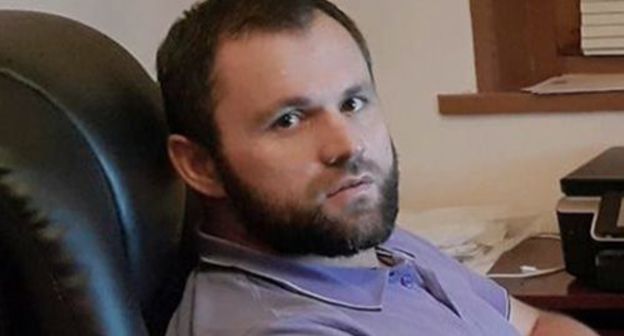
![Tumso Abdurakhmanov. Screenshot from video posted by Abu-Saddam Shishani [LIVE] http://www.youtube.com/watch?v=mIR3s7AB0Uw](/system/uploads/article_image/image/0001/18460/main_image_Tumso.jpg "Tumso Abdurakhmanov. Screenshot from video posted by Abu-Saddam Shishani [LIVE] http://www.youtube.com/watch?v=mIR3s7AB0Uw")